Florida Property Taxes: What Actually Happened in 2026
Florida’s Senate killed the property tax bill in March 2026. Here’s what happened, what’s coming in special session, and what it means for your budget.

The Florida Senate let it die. The vote to eliminate property taxes in Florida. Gone. At least for now. Here’s what actually happens next.
I break down how market conditions, interest rates, and local trends actually impact buyers and sellers across Florida’s Gulf Coast — without the hype.
If you want a clearer framework to help you make smarter decisions, you can start here:
Before we get to where things stand today, it’s worth understanding what was actually on the table — because the headlines made it sound simpler than it was.
This was never a single bill. The Florida House proposed eleven different property tax reform measures during the 2026 legislative session. Most targeted the non-school portion of property taxes on homesteaded properties — meaning your primary residence, not your vacation home or rental.
The proposal that passed the full House floor vote (HJR 203) would have phased out non-school property taxes over ten years, starting in 2027. The most aggressive version (HJR 201) would have eliminated them immediately. Both required a constitutional amendment, which means two things:
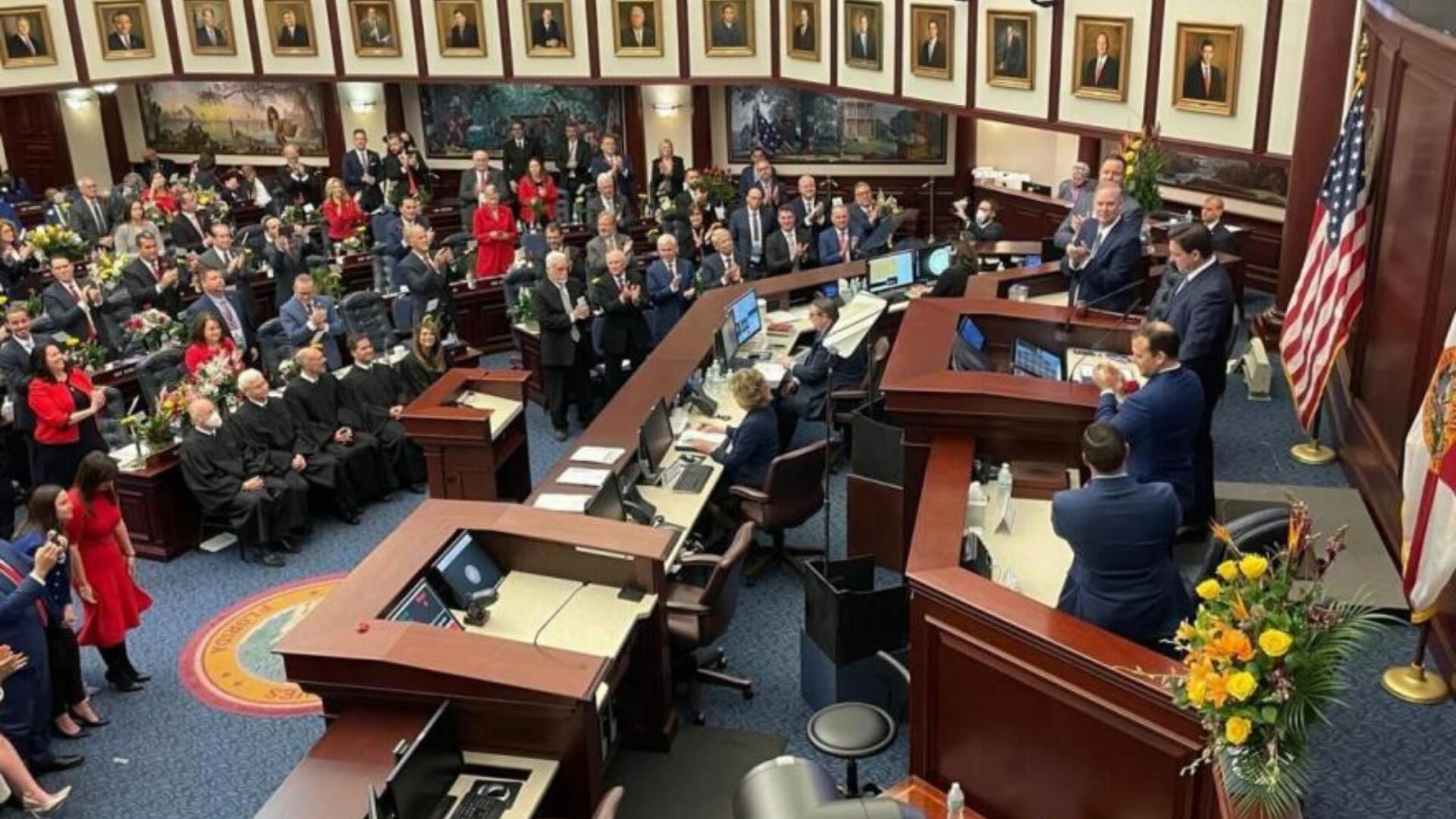
The House passed its version 80-30 on February 19, 2026. The Senate never moved a companion bill during the regular session.
Result: nothing reached the ballot. Governor DeSantis has indicated the issue could return in a special session later in 2026 — but that’s not a plan, it’s a possibility.
This is the part the headlines usually skip. The short answer is money. Specifically, where it comes from when you remove a major revenue source.
The Florida League of Cities warned that eliminating homestead property taxes would force local governments to raise tax rates elsewhere, put pressure on local bond ratings, and widen the service gap between wealthier and poorer communities.
To be fair to the Senate, they had 67 different counties to consider. Many of them rural. Many without the commercial tax base, tourism revenue, or snowbird economy that a county like Sarasota or Manatee can lean on when replacing lost revenue.
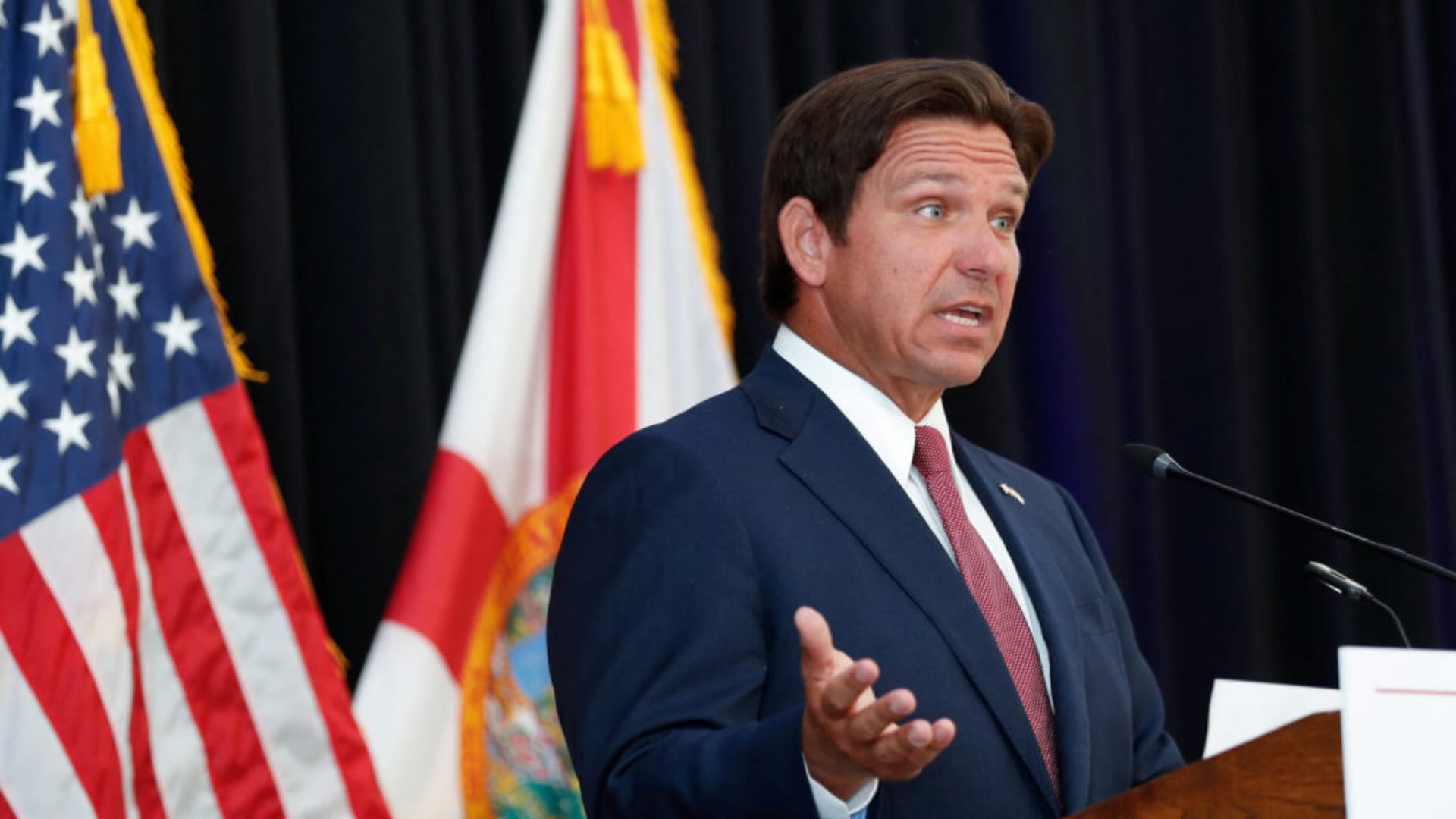
And here’s the part most coverage missed. DeSantis didn’t back the House version either. He’s been pushing for a single, simpler constitutional amendment rather than the layered phased approach the House produced. So this wasn’t just the Senate pushing back on the House. It was a three-way mismatch. The House had a version. The Senate had concerns. The governor wanted something different from both.
Nobody could reconcile those positions before session ended.
A lot of the coverage is treating this as a failed bill. It’s not. It’s a reset.
The House pushed one version. The Senate rejected it. The governor wants something different entirely. That doesn’t kill the underlying idea. It means the next version of this proposal could look completely different from what’s been debated so far. And a different version may have a clearer path to passage.
That distinction matters if you’re trying to plan around this.
Your situation hasn’t changed yet. No bill passed. Your 2026 tax bill is exactly what it was before any of this started.
Your tax bill isn’t changing in 2026. Nothing passed. No amendment is on the November ballot. The existing homestead exemption structure remains exactly as it was.
The Save Our Homes cap still protects you. If you’re already homesteaded, Florida’s Save Our Homes provision caps the annual increase on your assessed value at 3% or the rate of inflation, whichever is lower. That protection doesn’t disappear because the legislature couldn’t agree on something bigger.
Watch for a special session. DeSantis has signaled he wants to bring florida property tax elimination back outside the regular session. If a proposal passes in a special session, voters could still see something on the November 2026 ballot. But the window is tight, and the Senate’s position hasn’t changed.
One thing worth watching even if the full elimination doesn’t pass: several active proposals would phase in changes gradually, and relief targeted at seniors and long-term homeowners has been a consistent theme across both chambers. A narrower bill may have an easier path than a sweeping one. So even if the headline version never happens, some form of relief may still reach voters this fall.
Bottom line for current owners: manage your expectations. Meaningful relief may still happen — but it’s not imminent, and it won’t be as dramatic as the early rhetoric suggested.
This is where I want to be direct with you.
I talk to buyers every week who are factoring the possibility of property tax elimination into their decision to buy here. Some are waiting. Some are trying to buy because of it. Both approaches carry real risk.
If you’re waiting: The legislative timeline is uncertain. A special session could happen mid-2026, but it would still require 60% voter approval in November. Even in the optimistic scenario, relief wouldn’t begin until 2027 at the earliest. Waiting on a political outcome to make a real estate decision is rarely a sound strategy.
If you’re buying in anticipation of big savings: Be careful with the numbers. The most likely structure — a phased ten-year elimination of non-school taxes — would reduce your bill incrementally, not immediately. On a $500,000 homesteaded property, you might save $800–$1,200 per year initially, growing over time. Real money — but it doesn’t fundamentally change whether a home is affordable today.
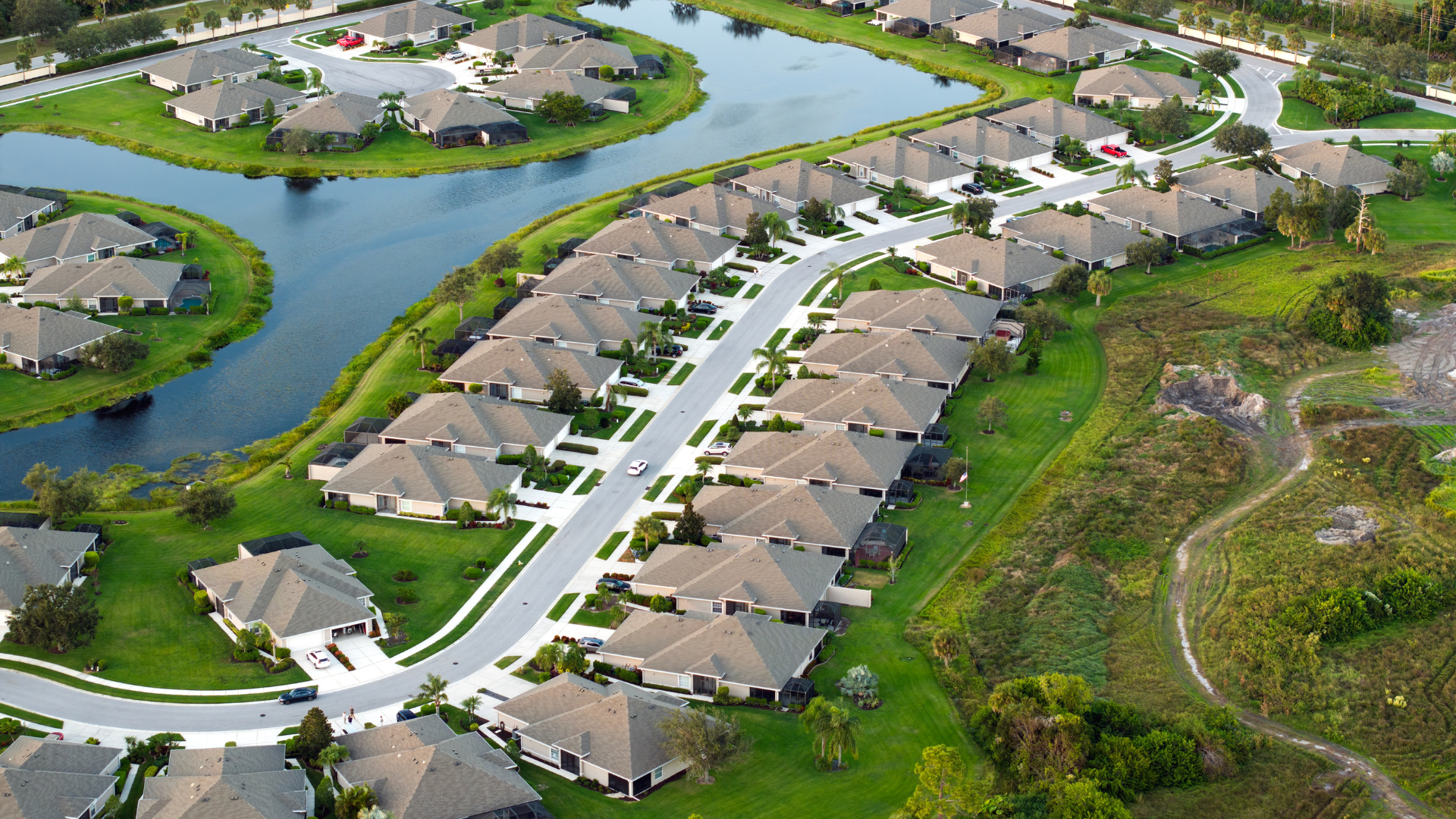
What you should actually be doing: Understand your current tax picture before you make an offer. In Sarasota and Manatee counties, buying a home in florida means property taxes on a $500,000 home run roughly $4,000–$7,000 per year depending on the millage rate in your specific municipality. Add homeowners insurance (which in Florida right now is its own serious conversation), HOA fees, and CDD assessments if you’re in a master-planned community like Lakewood Ranch — and the real cost of ownership looks very different from the list price.
The buyers who navigate Florida’s market well run the full cost-of-ownership number before they fall in love with a floor plan.
Three specific things worth tracking.
The mid-April budget special session. Watch for whether a Senate companion bill surfaces. That’s the real signal that a deal is forming between the chambers.
What DeSantis actually proposes. He’s been deliberate about not showing his hand on the specific language. When that draft becomes public it will tell you more than anything else about whether there’s a workable path forward.
The ballot deadline. For a constitutional amendment to go before Florida voters in November 2026, it has to clear the legislative process by a specific point this spring. If lawmakers miss that window, the next realistic opportunity is the 2028 general election. If you’re making decisions that hinge on this, that two-year gap matters.
While everyone was watching the drama around full florida property tax elimination, the existing homestead exemption structure kept doing what it always does — and a lot of buyers relocating to florida from up north don’t fully understand how it works.
In Florida, if you declare your primary residence here, you qualify for up to a $50,000 reduction in your home’s taxable assessed value. That saves most homeowners roughly $750–$1,000 per year depending on local millage rates. It also locks in the Save Our Homes assessment cap, which becomes increasingly valuable the longer you own.
You apply for homestead exemption through your county property appraiser’s office. The deadline is March 1 of the tax year in which you want the exemption to apply. Miss that deadline by one day and you’re waiting another full year. For buyers closing right now, that means targeting March 1, 2027.
This is one of the first things I walk every buyer through before closing. It’s not complicated — but it’s easy to miss when you’re focused on everything else that comes with a move.
This battle isn’t over. The version that died in the Senate is just the version that didn’t make it.
The version that eventually passes is the one that will actually change how people buy, sell, and hold property in Florida. And when that surfaces, a lot of people are going to be caught off guard.
But the buyers who succeed here don’t make decisions based on what might happen in Tallahassee. They make decisions based on what the numbers actually are today.
If you’re relocating to Sarasota, Bradenton, or Lakewood Ranch and want to understand what home ownership actually costs here right now, not the headline version, that’s the kind of conversation I have every day.
→ Schedule a Buyer Strategy Call — walk through your numbers before you go under contract.
→ Learn more: The Top Home Buyer Mistakes — the full guide to how Florida’s buying process works differently than what you’re used to.
→ Also read: The Ultimate Guide to New Construction in Florida — what to know before you make the move.
I help buyers and sellers in Sarasota, Lakewood Ranch, and Manatee County make informed real estate decisions — without hype, pressure, or guesswork.
No pressure. Just a clear conversation about your options.
Florida’s Senate killed the property tax bill in March 2026. Here’s what happened, what’s coming in special session, and what it means for your budget.
The advertised price is just the beginning. Here’s how Florida new construction pricing actually works — five layers most buyers don’t see until it’s too late.

The Villages and Lakewood Ranch are both popular Florida communities — but built for completely different buyers. Here’s the honest breakdown on location, lifestyle, and cost.