Worried you’ll regret moving to Florida? That instinct is worth listening to. Most people who end up disappointed here didn’t make a bad decision — they made an uninformed one. This guide covers what actually causes regret, what the brochures leave out, and how to know whether Florida is genuinely the right move for you.
If you’re still working through the bigger picture, the Relocating to Florida guide covers what to think through before you commit to the move.
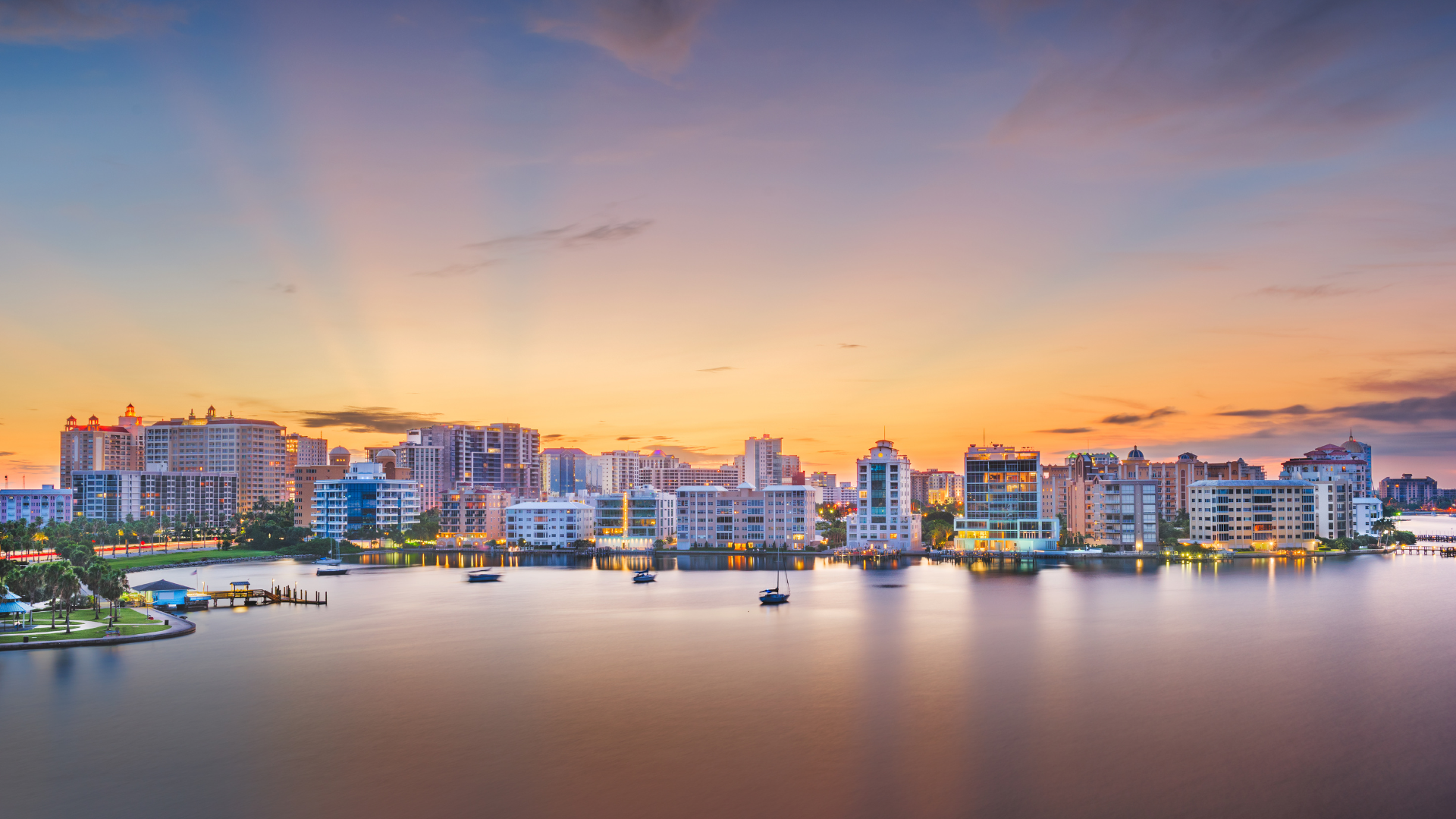
November through April here is everything people imagine. Warm, dry, low humidity. You’ll be outside more than you’ve been in years.
Then May arrives, and the deal changes. By mid-June the heat index is regularly over 105°F. It rains hard almost every afternoon. Humidity makes 90 degrees feel like something you have to push through. This runs until October.
Most people adjust. But not before they’re surprised. My advice: fly down in late July, rent a car, and run a normal Saturday. Grocery store, lunch, maybe a drive through a few neighborhoods. If that version of Florida still feels livable, you’ll be fine year-round. If it doesn’t, better to know before you’re under contract.
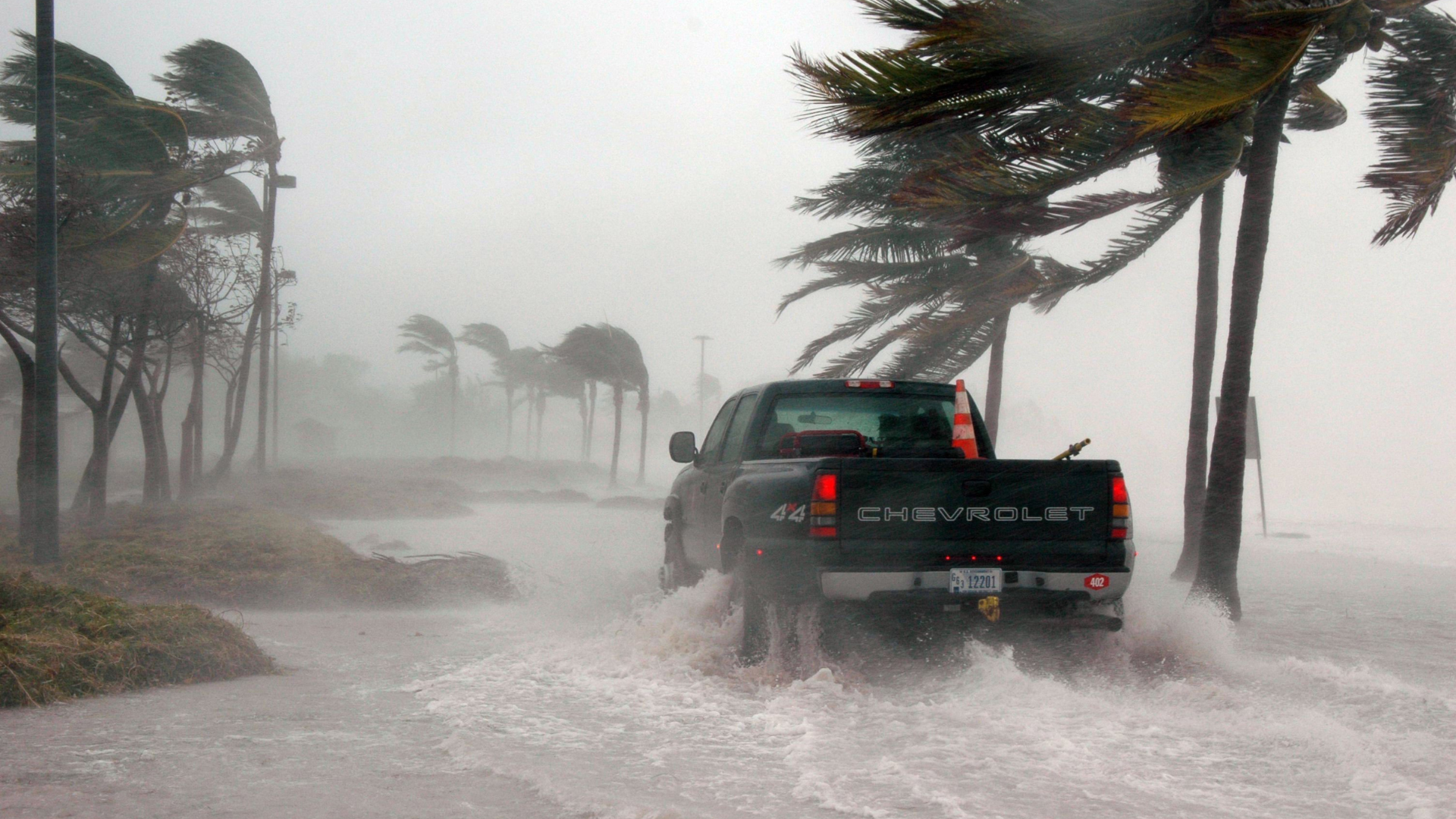
People from the northeast fixate on storm names. The actual risk is flood zone, not wind speed.
A Category 1 with storm surge in the wrong location causes more damage than a Category 3 making landfall inland. Before you make an offer on any property, look up its FEMA flood zone. X zones are preferable and have less risk. AE zones mean mandatory flood insurance, typically $2,000 to $5,000 a year on top of your homeowners policy. VE zones, anything coastal, can run significantly higher — sometimes to the point where insurance becomes the deciding factor on whether a purchase makes sense.
Inland master-planned communities like Lakewood Ranch and North River Ranch don’t face storm surge risk. They get wind and rain like everywhere else, but the insurance math is very different. That difference shows up in your monthly payment every single month.
You can look up any property’s flood zone through the FEMA map portal. Do it before you tour, not after you fall in love with a house.
Florida runs on a different clock than New York, Chicago, or Boston. Service is slower. People are friendlier but less driven. Things that get done in two hours up north take two days here, and nobody seems bothered by it.
For most of my buyers, that eventually becomes one of the things they love. But year one can feel disorienting if you weren’t expecting it. The buyers who have the hardest time adjusting are usually the ones who moved to escape something — the pace, the cost, the weather — rather than to build something new.
It’s worth being honest with yourself about which of those describes you.
Florida has no state income tax. That’s real money, and it matters. But it’s also easy to give it back without realizing it.
Homeowners insurance in Florida has roughly tripled over the past four years for many policy types. A newer home inland might run $3,500 to $5,000 a year. Coastal properties and older construction can go much higher. Get an insurance quote before you make an offer — not after.
CDD fees are the other one. In communities like Lakewood Ranch, CDD (Community Development District) fees fund the roads, drainage, and infrastructure built during development. They’re separate from HOA dues, they’re not optional, and they vary significantly between villages. Some run $1,500 a year. Others run $4,000 or more. Know the exact number before you fall in love with a floor plan.
Summer electric bills in a 2,500 square foot home running AC around the clock are higher than most northerners expect. Not a dealbreaker, but budget for it.
None of this should stop you from moving. It should just be in your numbers before closing, not as a surprise in month two.
This one’s harder to prepare for than people expect, and I want to be straight with you about it.
Year one usually feels like an adventure. You’re exploring a new place, filling weekends with things that felt impossible back home. Somewhere in year two it gets quieter. Your kid’s event is a two-hour flight away. Your parents are getting older and you’re not close enough to just drive over. Your closest friend from home is now a $600 roundtrip and a week of planning.
I’m not saying this to talk you out of anything. I’m saying it because the buyers who handle this best are the ones who thought it through before they moved. They built a visit rhythm. They made finding community here a priority from day one. They had an honest conversation with their spouse about how they’d each handle the distance.
Florida will either grow on you or it won’t. The people who stay and love it aren’t the ones who had the easiest adjustment — they’re the ones who went in clear-eyed and committed anyway.
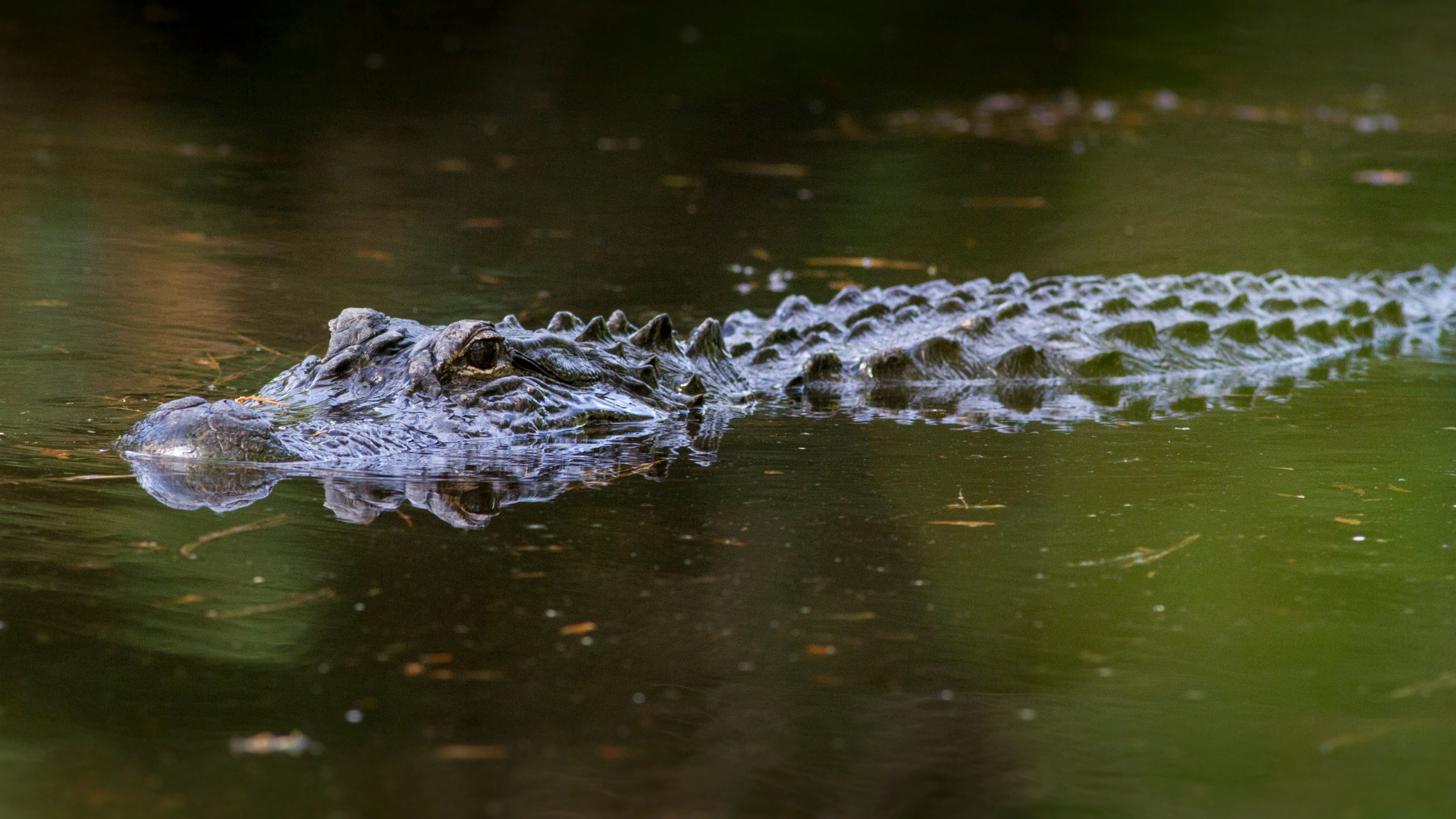
You will coexist with things that weren’t in your last neighborhood. Palmetto bugs, fire ants, the occasional gator near a retention pond. This is normal.
Monthly pest control is a standard expense here, not optional. Most people adapt quickly. The wildlife becomes background noise. Some people never get comfortable with it. Worth knowing which one you’re likely to be before you move somewhere it’s unavoidable.
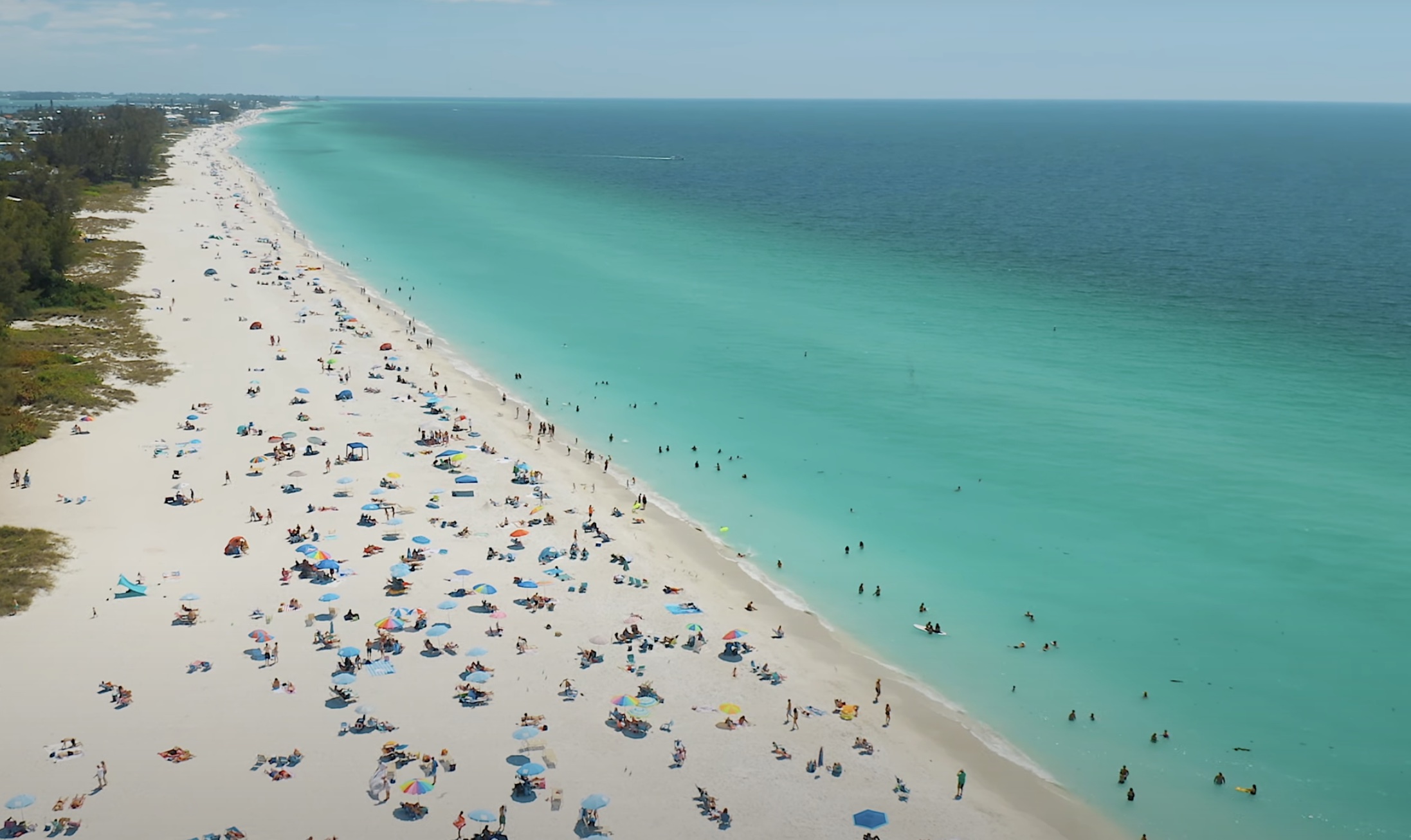
January through April, the Sarasota area fills up with snowbirds, tourists, and everyone who’s been watching the weather up north. Beaches get crowded. Restaurants are full. Traffic on US-41 and around Siesta Key and Anna Maria Island doubles seemingly overnight.
Locals adapt: beach before 9am, restaurants midweek, back routes that don’t show up in Google Maps. After Easter the area empties out and you get your summer back. Most year-rounders actually like the quiet season more.
You Might Like: Living in Sarasota vs. Lakewood Ranch – Which Is Better?
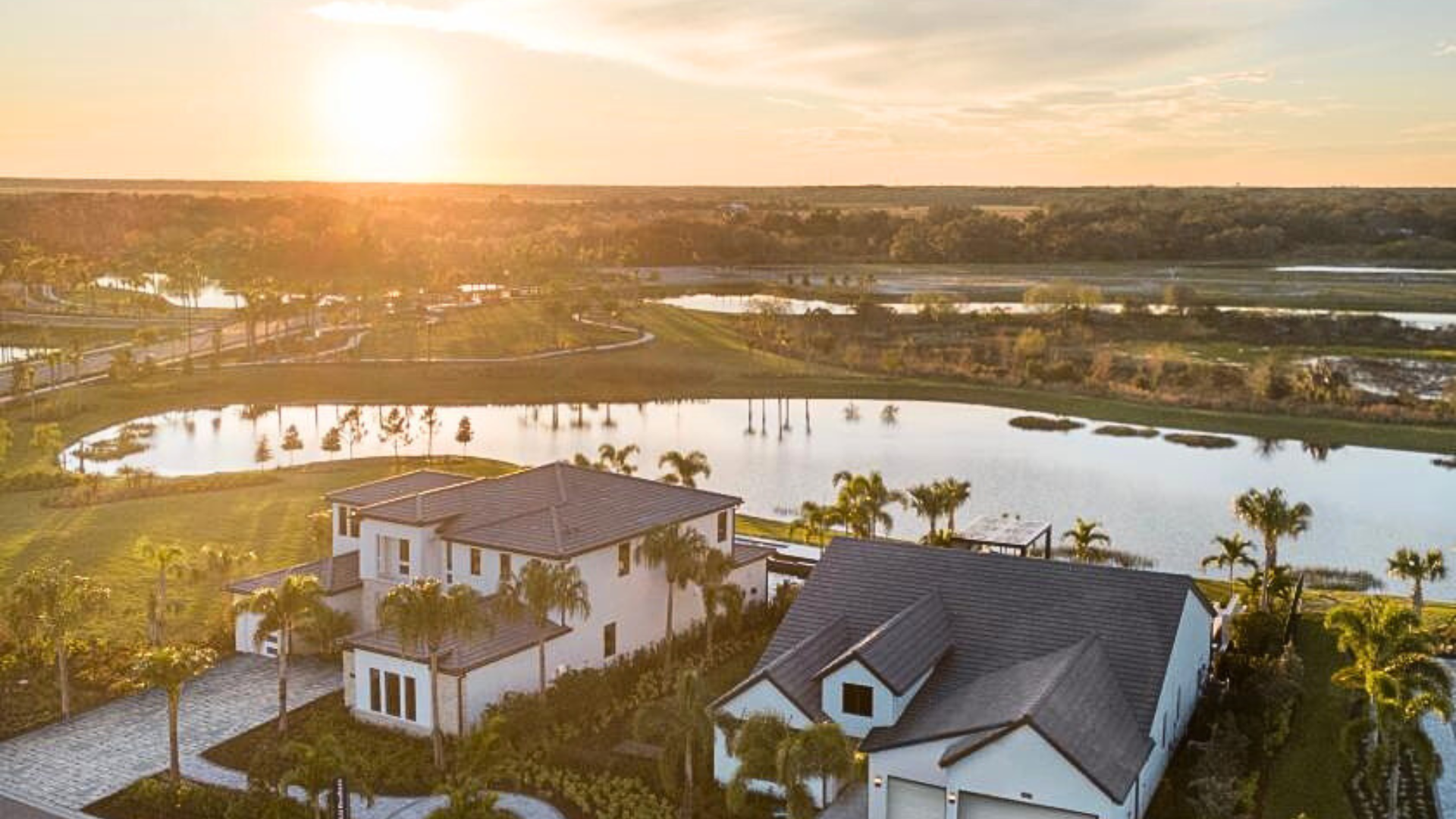
It’s not attitude. It’s preparation and fit.
The buyers who regret this move usually made one of two mistakes: they chose a community because the model home was beautiful, not because the lifestyle matched their day-to-day life. Or they moved with a fantasy version of Florida in their head instead of an honest one.
The buyers who stay and love it came in knowing about the summers, the insurance costs, the distance from family — and decided the trade-off was worth it for them. Then they chose a community deliberately, not impulsively.
That’s the conversation I have with buyers before they ever start touring. Not a sales call. Just a straight read on what actually fits.
If you’re still sorting through it, let’s talk through your situation before you commit to anything.
Florida can be a fantastic place to live—no state income tax, warm winters, and an outdoor lifestyle—but it’s not for everyone. Whether you should move depends on how comfortable you are with heat, humidity, storm season, and a slower pace of life. Understanding both the pros and cons before moving helps ensure you’ll love it here long-term.
Common regrets include underestimating the summer heat and humidity, the cost of homeowners and flood insurance, adjusting to hurricane season, and being far from family. Others are surprised by HOA or CDD fees, seasonal crowds, and Florida’s wildlife.
Many newcomers forget to budget for higher homeowners insurance, HOA or CDD fees, potential flood insurance, and increased utility bills during summer months. Costs can vary dramatically depending on whether you live near the coast or inland.
The risk is real—but it varies widely by location. Coastal and low-lying areas face greater risk from storm surge and flooding. Meanwhile, inland communities with higher elevation and good drainage experience far less damage. Choosing the right area and understanding your flood zone makes a big difference.
Interior, higher-elevation master-planned communities—like Lakewood Ranch or North River Ranch—typically see fewer issues because they’re farther inland and built to modern building codes with impact-resistant windows, reinforced roofs, and advanced drainage systems.
Summers in Florida are long, humid, and stormy, with “feels-like” temperatures often above 95°F. It rains almost daily, especially in the afternoons. Many locals adapt by doing outdoor activities early in the morning or later in the evening and rely heavily on air conditioning.
Hurricane season officially runs from June 1 to November 30, with the peak typically occurring in August and September. However, not all parts of Florida are affected equally each year. Staying prepared and choosing the right home location will help minimize risk.
It depends on your property’s location and FEMA flood zone. Homes in high-risk zones (like AE or VE) usually require flood insurance, while homes in low-risk areas may not. Your Realtor or insurance agent can help you determine whether it’s necessary for your specific property.
It all depends on what you find important—some people want golf and resort-style amenities, while others prefer low-maintenance living or proximity to the beach. However, it’s worth noting that Lakewood Ranch has been named the #1 master-planned community in the U.S. for all ages for the past six years, thanks to its beautiful neighborhoods, strong sense of community, and wide range of amenities for every lifestyle.
I wrote this article because I’ve seen too many people move to Florida with the wrong expectations—only to end up frustrated or regretting their decision later.
Florida truly is an incredible place to live—if you know what to expect. The sunshine, outdoor lifestyle, and opportunities are why so many people come here and never look back.
The key is being prepared for the real Florida, not just the picture-perfect version you see online. My goal is to make sure you go in with eyes wide open so you can love your new life here.
And here’s the truth: choosing the right community makes all the difference. Get that right, and a lot of the challenges we talked about become minor details instead of deal-breakers.
If you’re serious about moving to Florida, I’d love to help you find the perfect fit.
📞 Contact me today or book a free consultation through my Proven Buyer Process.