Retiring in Florida: What You Need to Understand Before Buying a Home
Retiring in Florida? Understand insurance spikes, tax resets, CDD/HOA fees before buying. Avoid common Florida retirement mistakes for sustainable living.
Retiring in Florida is appealing for obvious reasons — weather, lifestyle, and tax advantages. However, many retirees underestimate how much the way they buy matters. Long-term costs tied to insurance, property taxes, community fees, and ownership structure can quietly reshape a retirement plan if they’re not understood upfront.
I break down how market conditions, interest rates, and local trends actually impact buyers and sellers across Florida’s Gulf Coast — without the hype.
If you want a clearer framework to help you make smarter decisions, you can start here:
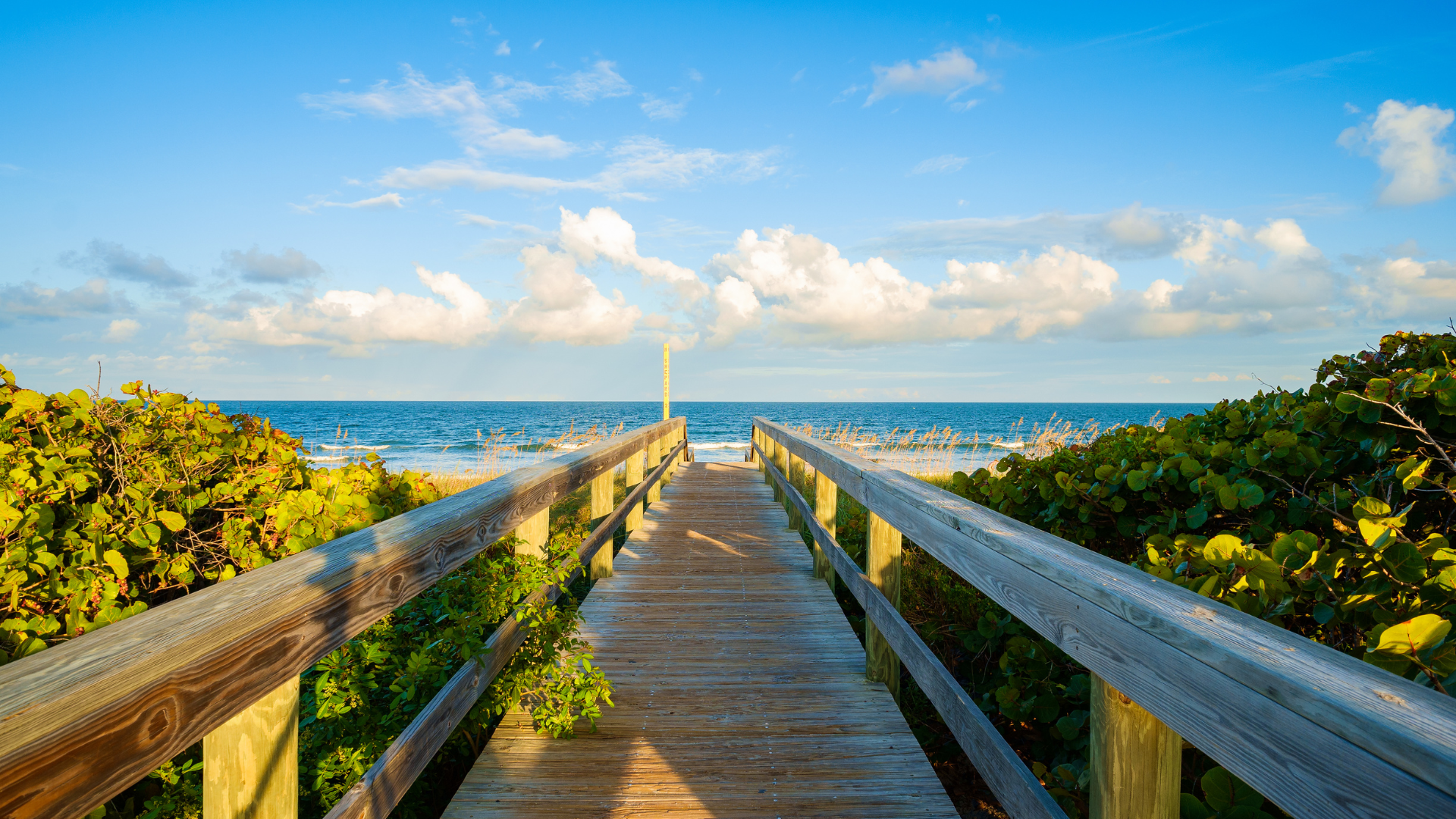
In markets like Sarasota, iconic areas such as St. Armands Circle and Siesta Key represent what many people picture when they think about Florida retirement. Relaxed living, beautiful surroundings, and a slower pace.
What’s less obvious are the financial structures behind homeownership in Florida. Many Florida retirement mistakes happen not because the home was wrong, but because buyers focused on lifestyle appeal without fully understanding long-term ownership costs. Retiring in Florida works best when decisions are based on performance over time, not how a home feels on vacation.
One of the most overlooked aspects of retiring in Florida is how uneven insurance costs can be.
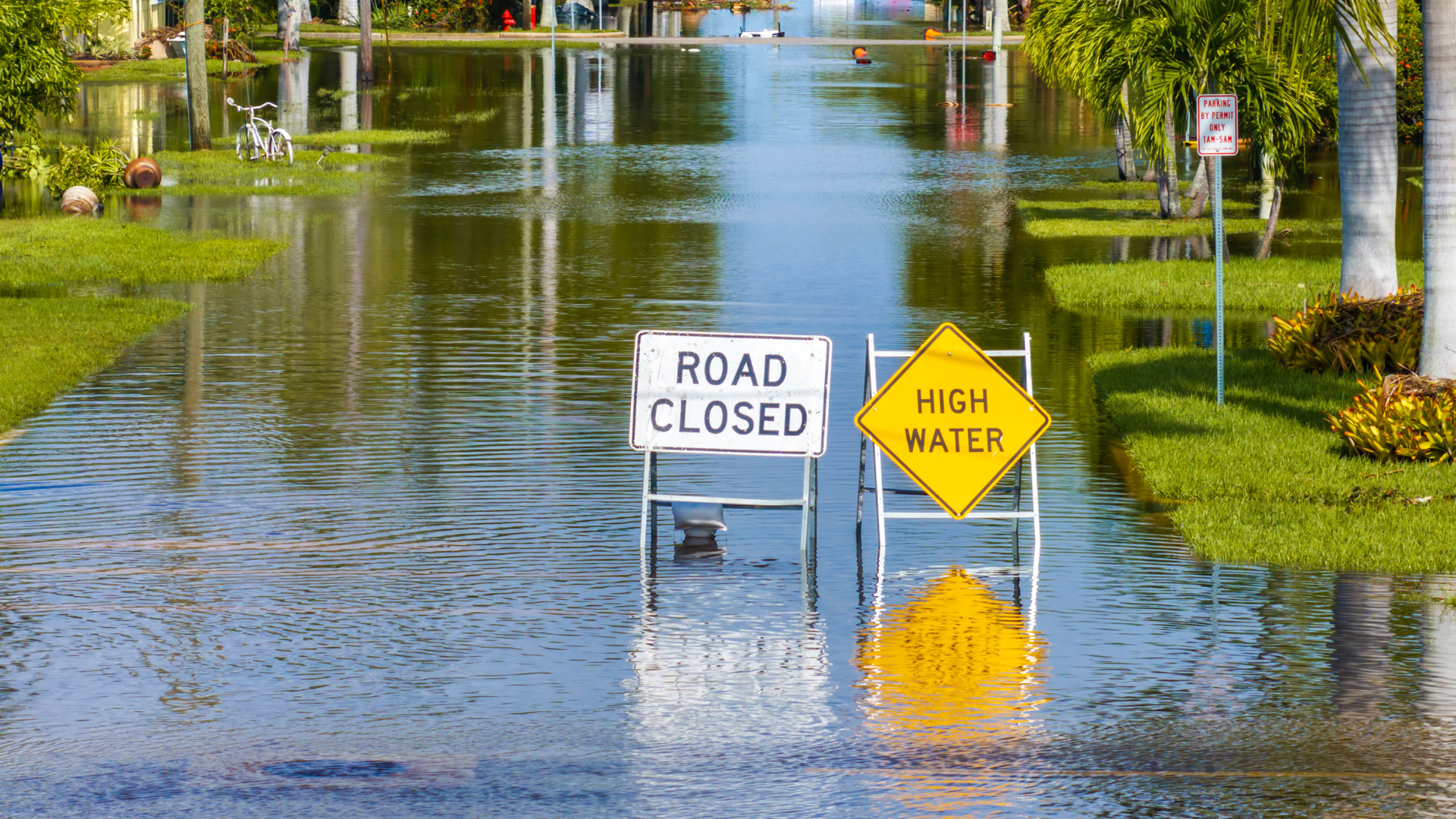
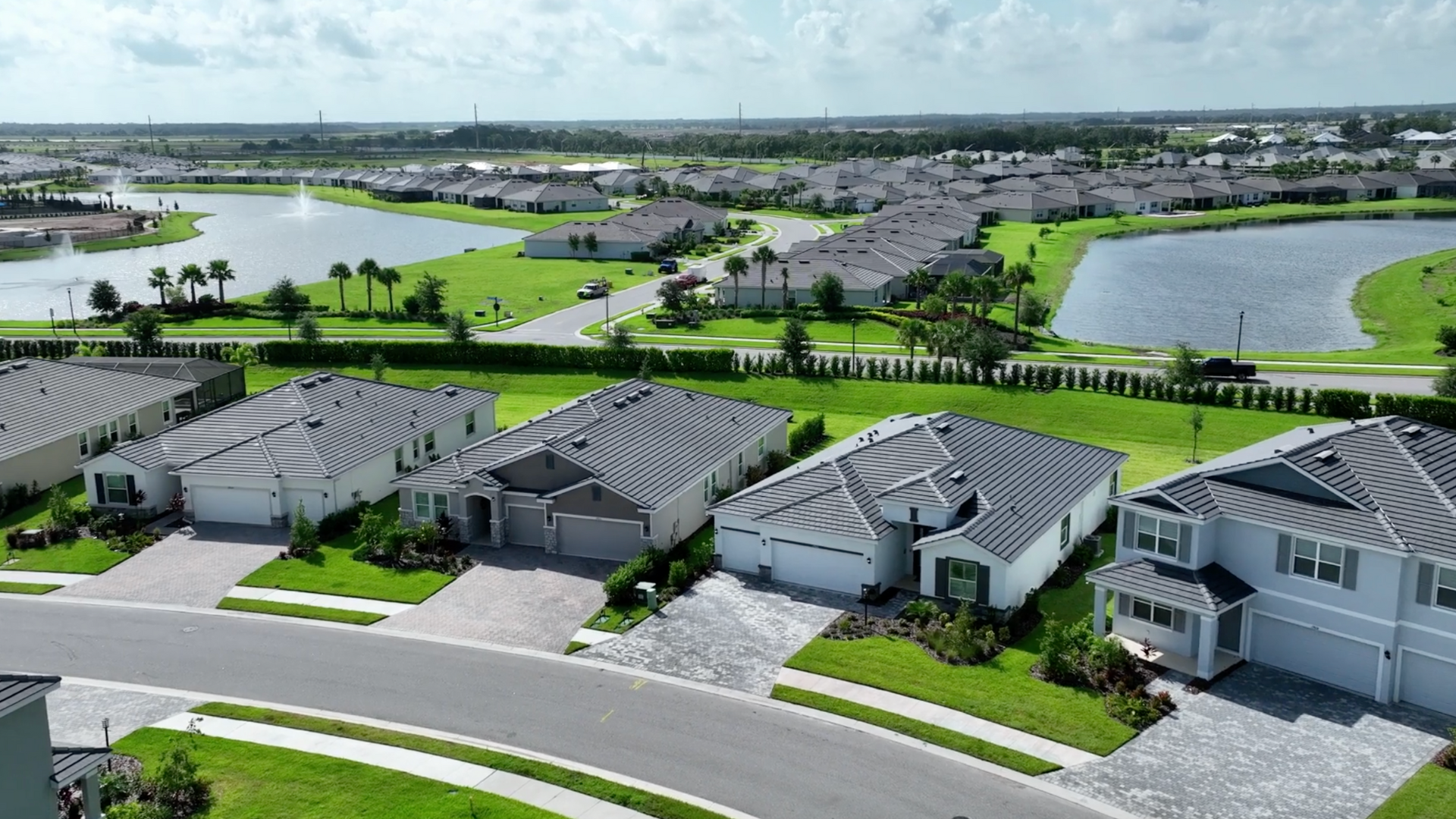
A newer home built to modern standards and located inland in a lower-risk flood zone — such as many areas within Lakewood Ranch, may carry relatively manageable insurance premiums. While older or coastal homes often face significantly higher costs.
In some cases, availability is just as important as price. Insurance non-renewals tied to roof age, claims history, or underwriting changes still occur, forcing homeowners to secure replacement coverage at higher rates. Evaluating insurance before making an offer is essential when buying a home in Florida for retirement.
Property taxes are another area where Florida retirement costs are frequently misunderstood.
Florida’s Save Our Homes cap limits how much a long-term owner’s assessed value can increase annually, typically to 3% or the change in CPI, whichever is lower. When a home is sold, that cap resets, and the property is reassessed based on the new purchase price, which often leads to a sharp tax increase for new owners.
Anyone retiring in Florida should estimate property taxes based on their purchase price, current millage rates, and the exemptions they personally qualify for rather than relying on the seller’s tax bill.
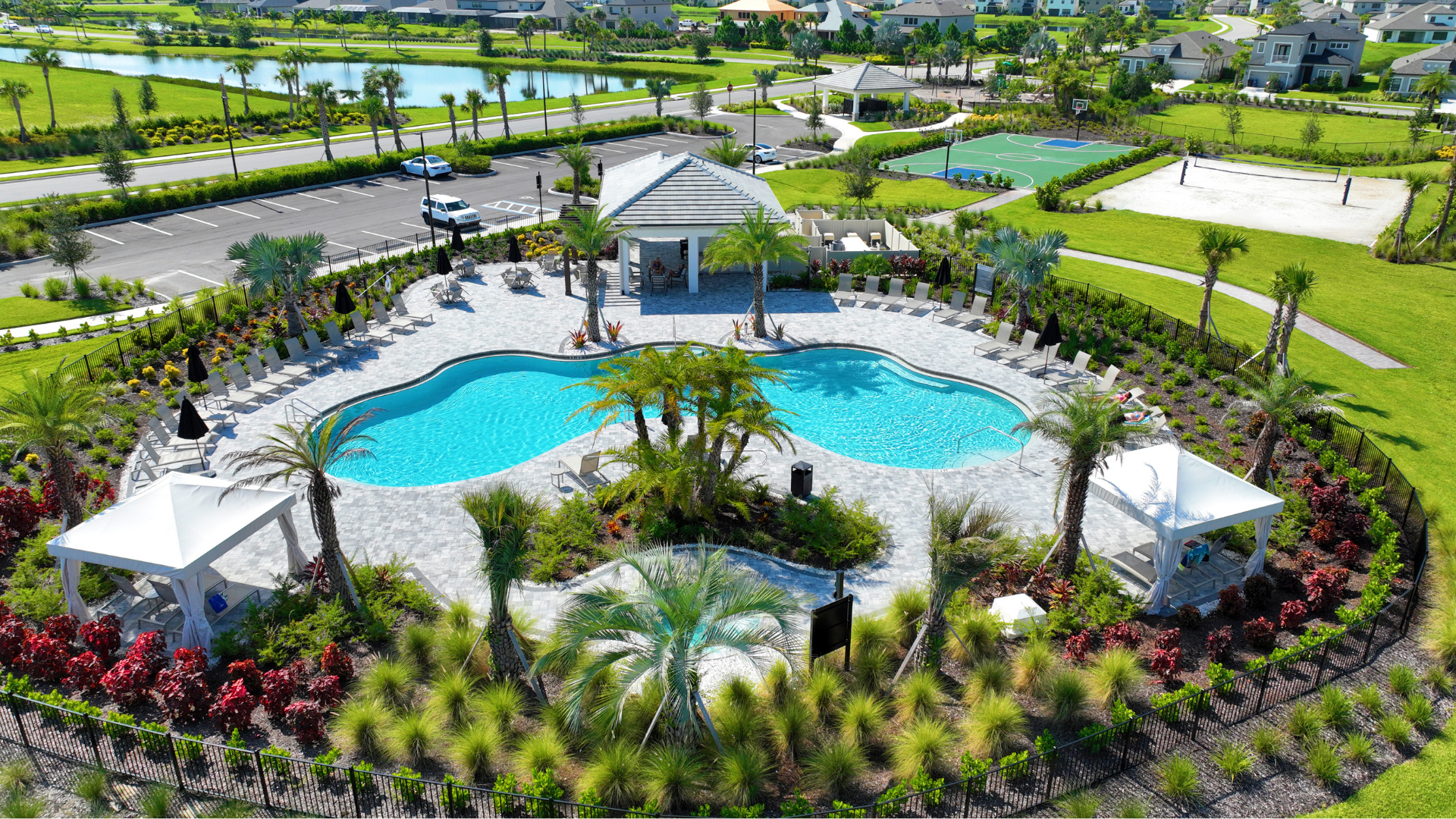
Many Florida master-planned communities include Community Development District (CDD) fees, which fund infrastructure such as roads, utilities, and shared amenities and appear directly on the annual tax bill.
Two similar homes can carry very different total tax obligations depending on whether a CDD is involved. While CDDs often support the lifestyle features retirees enjoy, they also increase long-term ownership costs — an important consideration for anyone retiring in Florida on a fixed income.
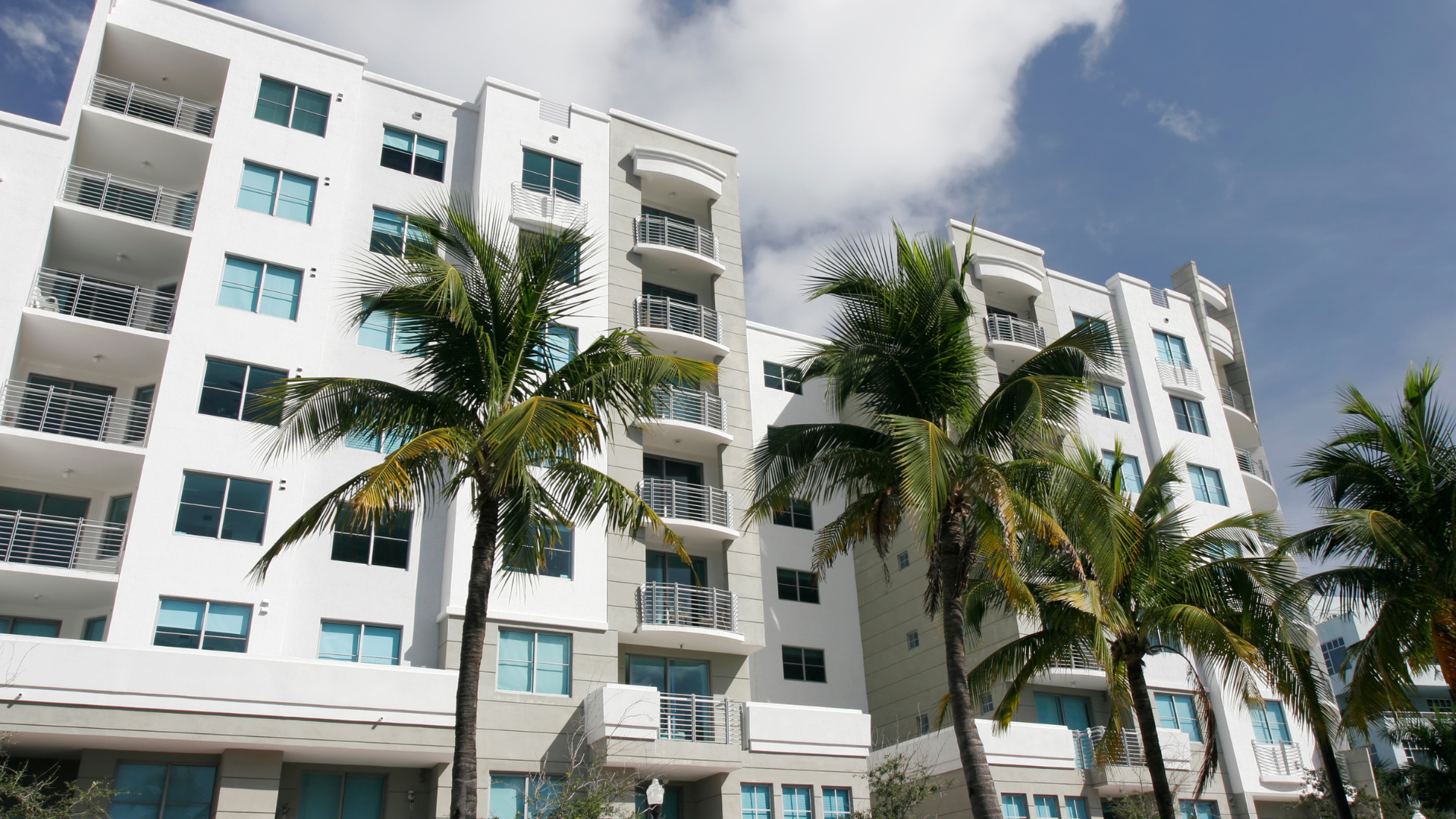
Condos remain popular with retirees, but condo ownership in Florida has changed significantly.
New inspection requirements, structural integrity reserve studies, and stricter reserve funding rules mean some condo associations now face higher ongoing costs, which can translate into increased monthly fees or special assessments for owners.
Retirees considering condos should review financial statements, reserve studies, inspection reports, and association meeting minutes carefully, rather than assuming a condo is automatically a low-maintenance solution.
Homeowners associations are common throughout Florida, particularly in well-maintained and amenity-rich communities. They provide consistency and shared amenities but also introduce ongoing fees and rules.
HOA costs can rise over time due to insurance increases, inflation, and capital projects, and communities may also layer HOA fees on top of CDD fees. Restrictions related to rentals, pets, parking, and exterior changes can affect long-term flexibility, so anyone buying a home in Florida for retirement should review HOA documents with the same level of care as the home itself.
Florida remains one of the most desirable places to retire in the U.S., offering strong lifestyle benefits along with tax advantages.
The retirees who succeed here long-term are the ones who understand Florida retirement costs in advance, avoid common Florida retirement mistakes, and approach buying a home in Florida with clarity rather than emotion. When decisions are made with a full understanding of how a home performs financially over time, retiring in Florida can be both comfortable and sustainable.
I help buyers and sellers in Sarasota, Lakewood Ranch, and Manatee County make informed real estate decisions — without hype, pressure, or guesswork.
No pressure. Just a clear conversation about your options.

Retiring in Florida? Understand insurance spikes, tax resets, CDD/HOA fees before buying. Avoid common Florida retirement mistakes for sustainable living.

Learn why some people move out of Lakewood Ranch, how expectations and reality drift over time, and the key lifestyle and cost decisions that help you avoid regretting a Florida relocation.

Park East at Azario is a Lakewood Ranch community offering large modern homes, lower HOA fees, minimal amenities, and a family-friendly residential setting close to schools and shopping.