Why the US Economy Feels Fragile
Headlines say the US economy is strong — but everyday life feels fragile. Here’s what the news misses, why housing feels frozen, and what Florida buyers should really watch.
If you’re wondering why the US economy feels fragile even when headlines insist everything is fine, you’re not imagining it.
Over the past few years, Americans haven’t just struggled to understand what’s really going on — we’ve been pulled in opposite directions. One day the economy is “strong.” The next, we’re warned about recessions, banking stress, and instability. It feels like driving with your GPS saying everything is clear, while the road signs ahead are flashing detour after detour.
That disconnect matters — especially if you’re trying to make smart decisions around money, housing, and real estate.
The article continues below. This resource may help as you read.
I break down how market conditions, interest rates, and local trends actually impact buyers and sellers across Florida’s Gulf Coast — without the hype.
If you want a clearer framework to help you make smarter decisions, you can start here:
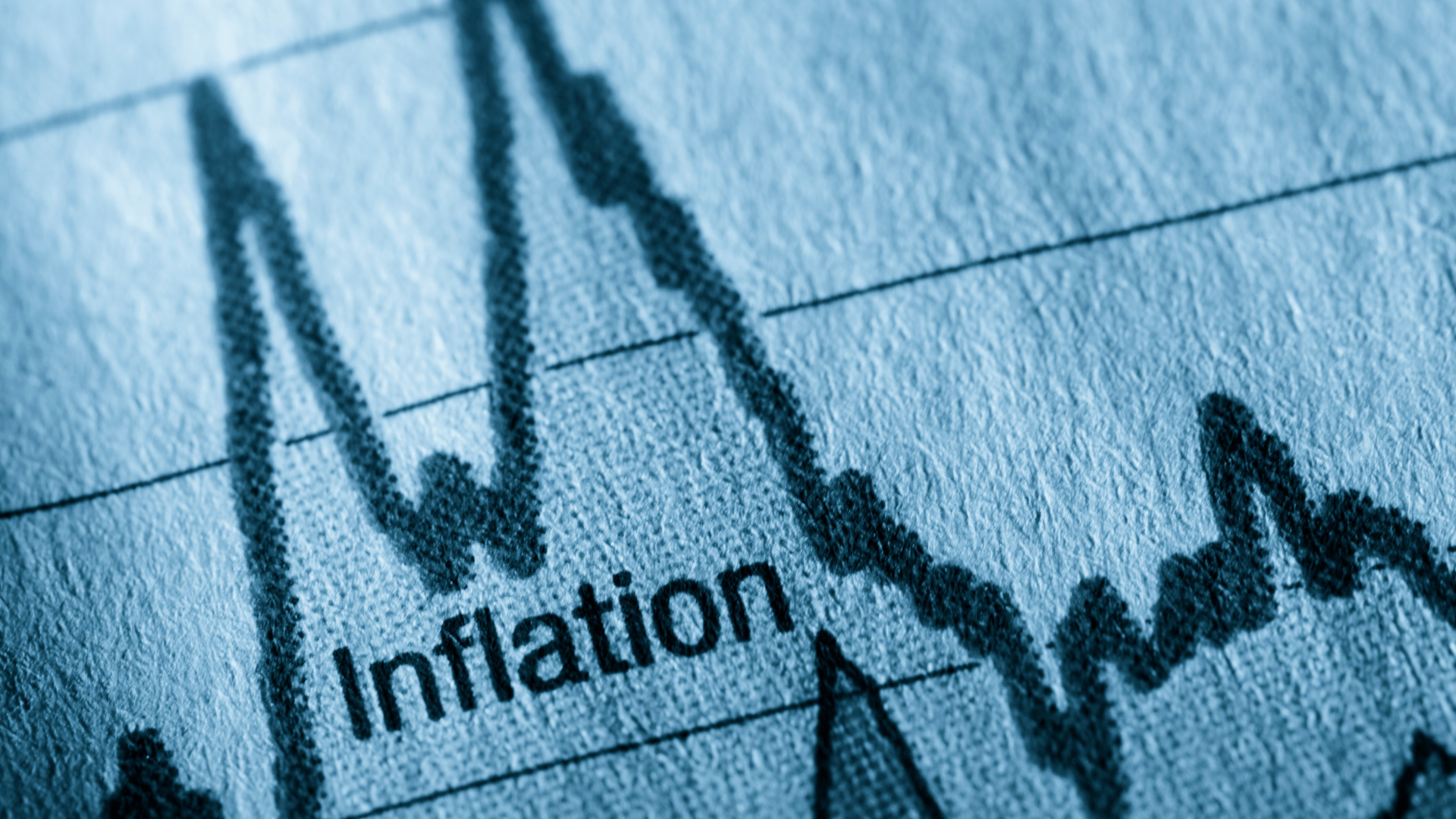
On the surface, the data often looks reassuring. Job numbers remain solid. Inflation has cooled from its peak. GDP continues to grow. These are the statistics most headlines focus on, and technically, they aren’t wrong.
But everyday life tells a different story.
Housing feels frozen. Mortgage rates remain high despite talk of rate cuts. Grocery bills are still painfully higher than they were a few years ago. Costs feel sticky, while relief feels delayed, or nonexistent.
This is where trust starts to break down. People don’t experience the economy through charts and press releases. They experience it through friction, cost, and stress. When headlines say one thing but lived experience says another, confusion isn’t the problem, credibility is.
Economic narratives change fast. One month it’s a “soft landing.” Then it becomes “no landing.” Then suddenly “recession risk.” Shortly after, we’re told the economy is resilient again.
That constant swing isn’t always misinformation, it’s incentive. Instability grabs attention. Calm doesn’t. Media reacts to cycles and clicks, while households live with decisions that can’t be undone month to month.
Rent doesn’t reset when sentiment shifts. Mortgage rates don’t revise backward. And inflation’s impact on everyday necessities lingers long after the data says things are improving.
Most economic coverage revolves around a handful of indicators: jobs, inflation, and GDP. These are useful, but they’re snapshots. They never tell the whole story.
You can have job growth while borrowing becomes more expensive. You can have slowing inflation while food prices stay high. You can have “good data” while money itself becomes harder to access.
That gap between data and experience is where fragility lives.
There’s also a timing issue most people aren’t told about. Economic policy works with long delays. Rate cuts don’t help immediately. By the time numbers improve, many households are still feeling the consequences of decisions made years earlier. So when headlines finally turn positive, reality often hasn’t caught up yet.
Here’s the part almost nobody explains clearly.
Markets don’t move on headlines, they move on liquidity.
Liquidity is simply how easily money flows through the system and how easy it is to borrow, transact, and take action. When debt levels rise across governments, corporations, and consumers, liquidity tightens. When liquidity tightens, everything feels harder.
Banks pull back, credit tightens and buyers hesitate. Markets eventually stall, even if surface-level data still looks “okay.”
In a debt-based system, liquidity usually returns when central banks inject money back into the system. Historically, when liquidity improves, asset prices tend to rise, not because fundamentals suddenly improve, but because money becomes easier to access. Confidence often returns before headlines acknowledge it.
This is especially important for real estate.
People hear that rate cuts are coming and assume relief is immediate. But what actually matters is when liquidity returns. Cheaper money doesn’t just lower payments, it changes behavior. Buyers come back. Competition increases. Prices often rise before people expect it.
Waiting for headlines to feel “safe” can put buyers behind the curve.
We saw this clearly during COVID. Housing went from frozen and full of crash predictions to bidding wars and rapid appreciation in a matter of months. For anyone watching only headlines, it made no sense. But for those watching the fundamentals of supply and demand, it did.
Demand fell. Supply fell even faster. The market wasn’t going to collapse the way many expected.
Real estate is local by nature. National headlines influence sentiment, but they don’t determine pricing or opportunity in specific markets.
In Florida, what matters most is inventory, demand, days on market, and how buyers and sellers are behaving right now, not what the national narrative says this week.
This is why successful investors and long-term homeowners don’t follow the crowd. They make calculated decisions when others are frozen, distracted, or looking in the wrong direction. That’s usually where opportunity exists, well before the narrative changes and comfort returns.
If you’re actively considering a move or purchase in areas like Lakewood Ranch, check out our Lakewood Ranch Home Buying Services to understand how to navigate the market locally.
The problem isn’t that the economy is fake or that the media is always lying.
The problem is complexity.
Headlines are designed to simplify and provoke reaction, not to explain how systems actually work. Real understanding comes from knowing how liquidity, timing, and fundamentals interact.
When you understand that, you stop reacting emotionally to every headline and start making calmer, smarter decisions.
Calm over emotion.
Understanding over reaction.
That’s the real advantage, especially when it comes to navigating real estate in a fragile-feeling economy.
I help buyers and sellers in Sarasota, Lakewood Ranch, and Manatee County make informed real estate decisions — without hype, pressure, or guesswork.
No pressure. Just a clear conversation about your options.

Headlines say the US economy is strong — but everyday life feels fragile. Here’s what the news misses, why housing feels frozen, and what Florida buyers should really watch.

Something beneath the financial system is driving interest rates higher. It’s called liquidity — and most buyers and sellers are completely missing it.

Moving from New York to Florida isn’t just a lifestyle change—it’s a strategy. Lower taxes, more space, and a better pace of life are pulling record numbers south. But is it right for you?