If you’ve been wondering why interest rates still feel elevated, why buying or selling real estate feels harder than it should, or why the economy feels tight even when headlines sound optimistic, you’re not imagining it.
There’s a force operating beneath the surface of the financial system that most people never hear explained clearly — and it affects mortgages, home prices, stock markets, and real estate demand.
That force is liquidity.
This isn’t a replay of 2008. It’s not about bad loans or a housing collapse. It’s about how money moves through the system — and what happens when that movement slows.
In this article, I’ll break down liquidity in plain English, explain why it matters right now, and connect the dots to what it could mean for Florida real estate, especially in Sarasota, Lakewood Ranch, and across the Gulf Coast.

Liquidity is the ability for money to move easily through the financial system.
When liquidity is healthy, banks lend, deals get done, and markets function smoothly. When liquidity tightens, that flow slows down. Financing becomes harder to access, transactions take longer, and borrowing costs rise.
Importantly, money doesn’t disappear during a liquidity slowdown — it simply stops moving efficiently.
A simple way to think about it is having money in your bank account but suddenly being unable to use your debit card. The money is still there, but access is restricted.
That’s what liquidity stress feels like inside the financial system.

Interest rates don’t move because of headlines or opinions. They move because of liquidity.
When liquidity tightens, lenders demand higher returns, and interest rates rise. When liquidity improves, borrowing becomes easier and rates tend to fall.
This is why central bank actions matter so much. When policymakers sense that liquidity is becoming too tight, they step in – not to stimulate growth immediately, but to prevent the system from freezing.
Recent actions by the Federal Reserve, including rate cuts and renewed support for funding markets, are signals that liquidity had reached a critical point.
It’s important to separate fear from fundamentals.
This environment is not defined by reckless lending, massive oversupply, or weak borrower quality. Unlike the mid-2000s, today’s real estate market is constrained by limited inventory and stricter lending standards.
The pressure we’re seeing now is structural, related to how capital flows through the system and not a collapse driven by bad assets.
To understand how this plays out, it helps to look at a recent example.

A clear example of how liquidity shocks actually work played out in March 2020, when global financial markets reacted to the sudden uncertainty caused by the COVID shutdowns.
At the time, the issue wasn’t that stocks, bonds, or real estate had suddenly become poor long-term investments. The problem was that large institutions (banks, hedge funds, pension funds, and corporations) all needed cash at the same time. Margin calls, redemptions, and regulatory requirements forced them to raise liquidity immediately, regardless of price.
As a result, investors sold nearly everything. Stocks fell sharply, bond markets seized up, and even U.S. Treasuries, normally the most liquid assets in the world – experienced severe stress. Prices dropped not because fundamentals collapsed, but because liquidity temporarily disappeared.
The Federal Reserve responded by stepping in with emergency lending facilities and large-scale asset purchases designed to restore the flow of money through the system. Once liquidity returned, markets stabilized and then rebounded far more quickly than most people expected.
This episode illustrates a critical point that often gets lost in headlines: liquidity shocks create sharp, short-term price dislocations, but they do not necessarily reflect long-term asset value. When liquidity is restored, prices tend to adjust upward just as quickly as they fell.
We are not in a full-blown crisis, but there are signs of stress.
Volatility in U.S. Treasuries — the backbone of global finance — has drawn increased attention. Treasuries are used as collateral, benchmarks, and safe havens across the financial system. When they show strain, it often points to broader liquidity issues.
After extended efforts to reduce inflation by tightening financial conditions, recent policy shifts suggest that further tightening risked causing unintended consequences.
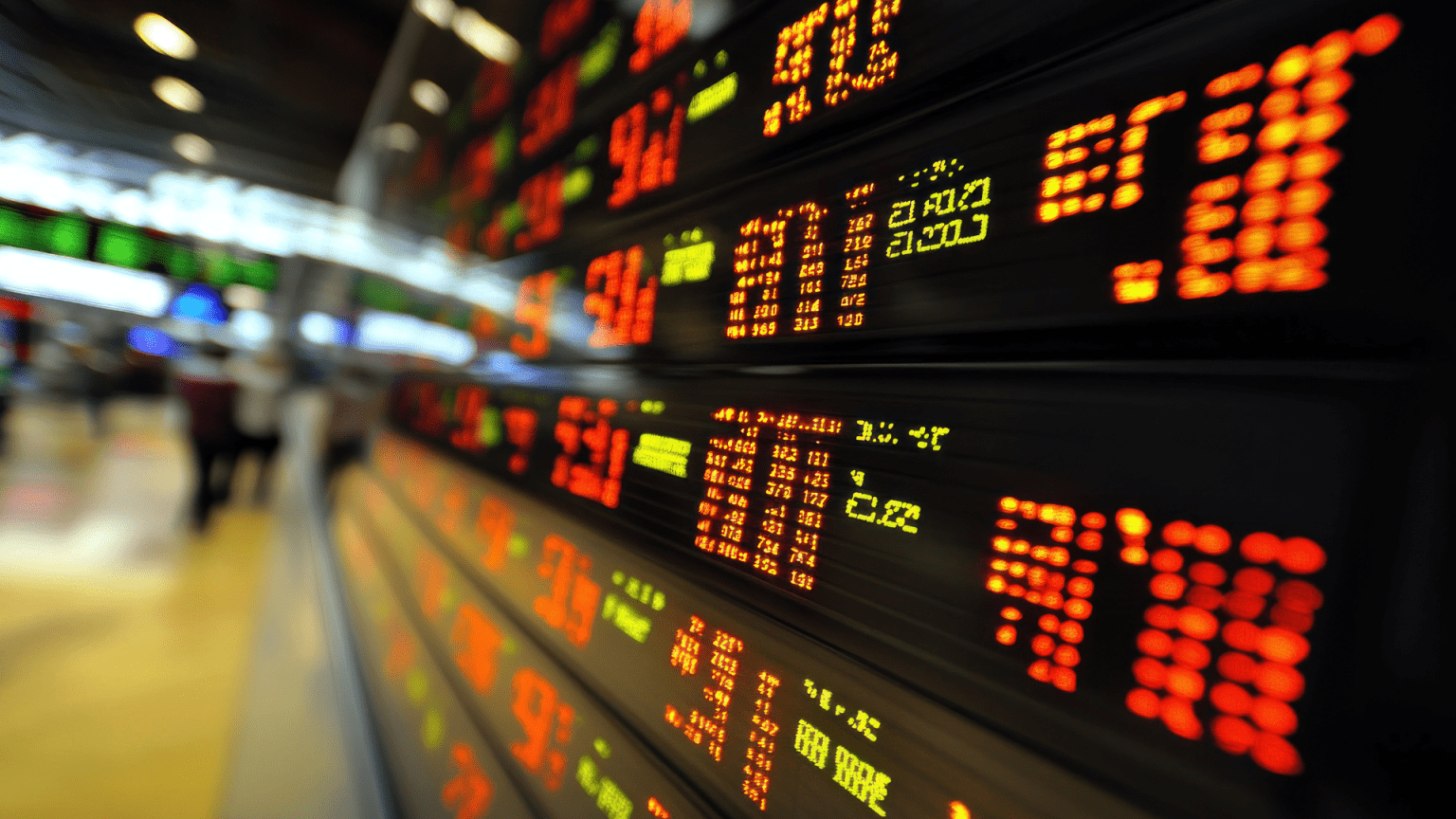
Liquidity is global, not local. What happens in overseas financial markets can quickly spill into U.S. stocks, bonds, and real estate – even when local fundamentals remain strong.
A key example is the Japanese yen carry trade, one of the largest and longest-running sources of global liquidity.
For decades, Japan maintained near-zero interest rates. This allowed large institutions; banks, hedge funds, pension funds, and insurance companies to borrow massive amounts of money in Japanese yen at extremely low costs and invest it elsewhere in higher-yielding assets, including U.S. stocks, bonds, and real estate.
As long as Japanese rates stayed low, this strategy worked smoothly. Borrow cheap, invest higher, and keep the difference. Trillions of dollars flowed into global markets this way, quietly supporting asset prices and liquidity.
The risk appears when that dynamic changes.
If inflation pressures force Japan to raise interest rates, the cost of borrowing yen rises. When that happens, these leveraged positions become less profitable or outright unworkable. Investors are then forced to unwind the trade quickly, which means selling U.S. assets to raise cash and pay back yen-denominated loans.
That forced selling has nothing to do with the health of the U.S. economy or local real estate markets. It’s a liquidity event.
This is how global liquidity can tighten rapidly, even when demand, supply, and fundamentals in markets like Florida remain intact. Capital doesn’t retreat because it wants to, it retreats because it has to.
This is where macroeconomics meets everyday decisions.
When liquidity improves, borrowing costs tend to ease, purchasing power increases, and asset prices adjust upward. Florida is particularly sensitive to these shifts because of strong demand, population growth, and limited housing supply.
Markets like Sarasota, Manatee County, and Lakewood Ranch are not dealing with the same structural issues that caused past housing downturns. That means changes in liquidity and interest rates can translate into faster adjustments in pricing and activity.
If you want to explore real estate on the Gulf Coast further, you may find these helpful:
Liquidity may not dominate headlines, but it quietly shapes interest rates, market cycles, and real estate conditions long before the narrative catches up. Understanding how liquidity works — and how policymakers respond when it tightens — gives you a clearer framework for making smarter real estate decisions.
As always, this is my opinion, not financial advice. Do your own research and work with professionals who understand both the big picture and your local market.
If you have questions about buying or selling in Sarasota, Lakewood Ranch, or along Florida’s Gulf Coast, you can explore our services or contact us directly.